Most people who walk into a gym for the first time have a vague goal: get stronger, look better, feel better. That’s fine. But at some point, a subset of those people discover something different — they want to compete. They want an objective measure of their strength, a platform to test it, and a community of people who take the barbell as seriously as they do.
That’s powerlifting. And if you’re reading this, you’re probably at that turning point.
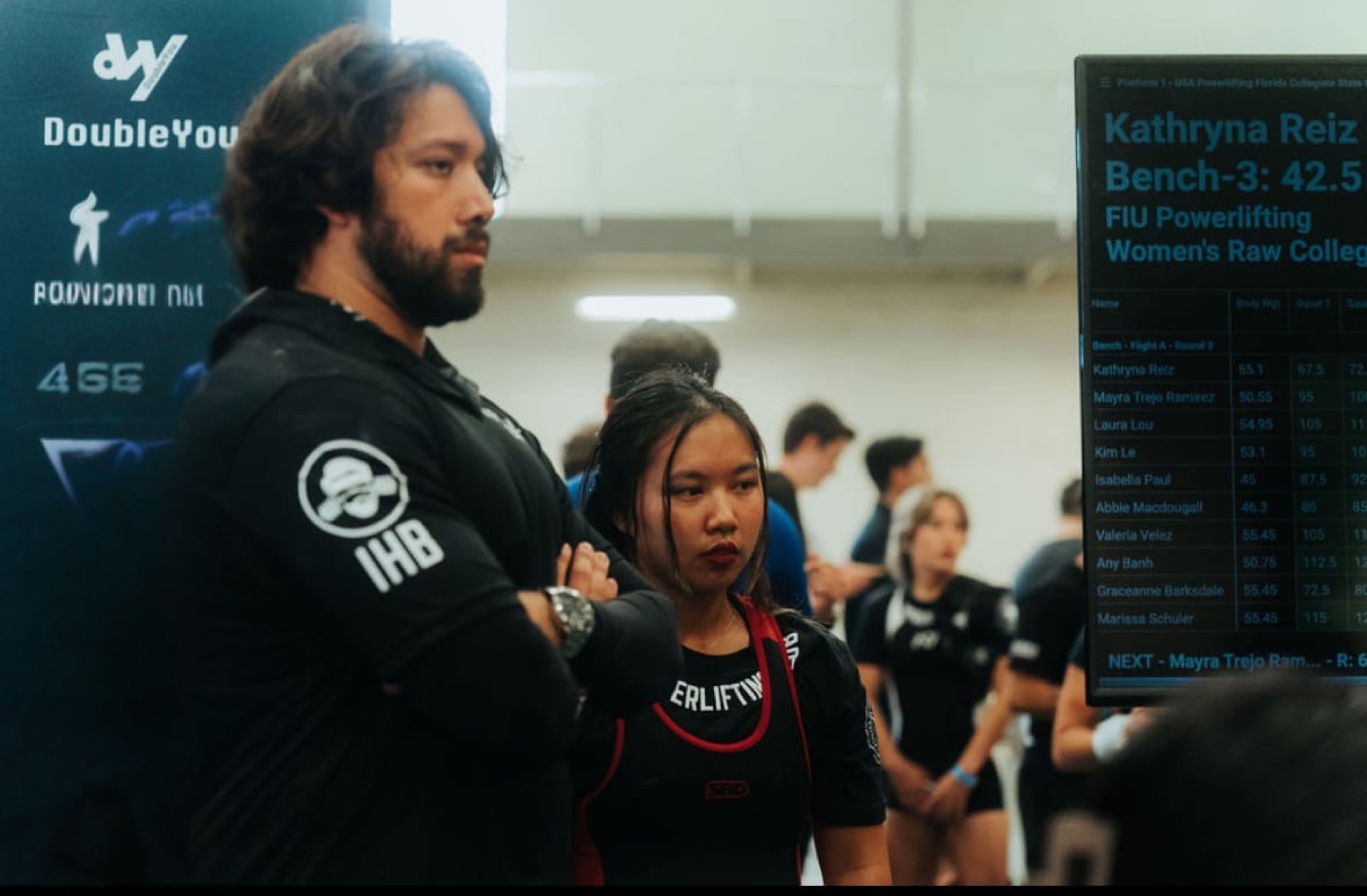
I’m Alvaro Calle — head coach at In-Handsome Barbell, certified USAPL coach and referee, and a competitive powerlifter myself. I’ve watched dozens of lifters go from “I’ve never squatted to depth in my life” to stepping on a platform and hitting personal records in front of a crowd. The process is straightforward if you approach it correctly. This guide is everything I wish someone had handed me when I started — and everything I tell the new lifters who come through our doors here in Miami.
What Powerlifting Actually Is (And What It Isn’t)
Powerlifting is a strength sport consisting of three lifts: the squat, the bench press, and the deadlift. In a sanctioned meet, you get three attempts at each lift. Your best successful attempt in each movement is added together for your total. That total is what gets ranked — against other lifters in your weight class and age category.
That’s it. Three lifts. Best total wins.
The Squat
You unrack the bar on your back, descend until the crease of your hip is below the top of your knee — this is what “depth” means, and it’s non-negotiable in competition — then stand back up. There are commands: squat, up, rack. You follow them or the lift doesn’t count.
The Bench Press
You lower the bar to your chest, pause until the bar is motionless, then press it to lockout on command. The pause is real — it’s not a touch-and-go. Your feet stay flat, your butt stays on the bench, and the bar path matters more than most beginners realize.
The Deadlift
You pull the bar from the floor to lockout — hips through, shoulders back, knees locked. There’s a down command. You hold the lockout until you hear it. Hitching the bar up your thighs or soft knees at lockout are red lights.
Simple to understand. A lifetime to master.
How Powerlifting Differs from CrossFit, Bodybuilding, and Olympic Weightlifting
CrossFit uses the squat, deadlift, and sometimes the bench press — but as conditioning tools, not as competition lifts. The goal in CrossFit is metabolic output. The goal in powerlifting is maximal force production in a single rep. Neither is better; they just aren’t the same thing.
Bodybuilding is about aesthetics: muscle size, symmetry, conditioning on stage. Strength is a useful byproduct but not the primary goal. A bodybuilder might never train a heavy single in their life. A powerlifter trains specifically to move maximum weight for one rep on meet day.
Olympic weightlifting involves the snatch and the clean and jerk — explosive, technical lifts that require years to develop. Like powerlifting, it’s a strength sport with weight classes and competition. But the movement patterns and demands are significantly different.
Powerlifting is the most accessible of the barbell sports to start. The movements are intuitive. The learning curve is real, but it’s not the snatch.
Finding the Right Gym: What Actually Matters
This is where most beginners make their first mistake. They join the nearest commercial gym and try to figure it out on the Smith machine.
Here’s what you need in a powerlifting gym in Miami:
Proper Equipment
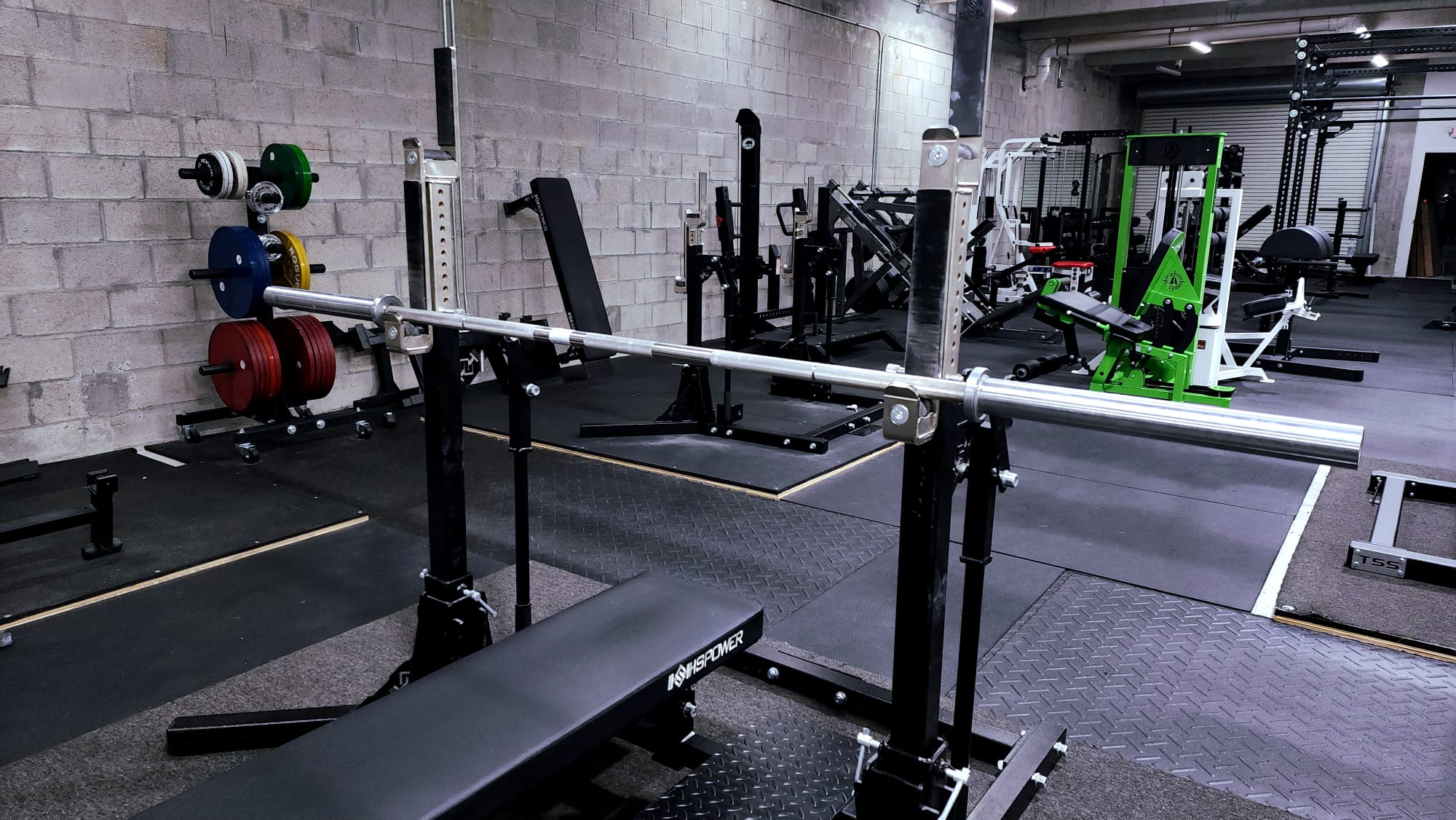
You need a power rack or squat cage rated for heavy loads, a competition-spec barbell (20kg for men, 15kg for women), calibrated plates in standard increments, and a flat bench setup. Most commercial gyms have none of these to spec. The barbell whip, the bench height, the rack heights — these details matter when you’re training for a sport.
Lifting Platforms
Dedicated platforms protect both the floor and the lifter. They define your training space. They’re standard at serious powerlifting facilities.
USAPL Affiliation
If you want to compete in drug-tested powerlifting in the United States, USAPL is the premier federation. Training at a USAPL-affiliated gym means the equipment you train on meets competition standards, and the coaching you receive reflects current USAPL rules and technique norms.
There are different levels of USAPL affiliation — Platinum is the highest tier, meaning the gym has met the strictest standards for equipment, coaching, and competition readiness. In-Handsome Barbell is the only Platinum USAPL affiliate in Miami. That matters. You’re practicing in a competition-standard environment from day one.
Coaching Access
A great coach doesn’t just write a program. They watch you move, correct your mechanics, and help you understand why you’re doing what you’re doing. For beginners especially, quality technique coaching in the early months pays dividends for years.
Your First 3 Months: What a Beginner Powerlifting Program Looks Like
A good beginner powerlifting program has a few non-negotiable characteristics.
Frequency over intensity early on. Beginners adapt fast. Training the squat, bench, and deadlift two to three times per week in the first months accelerates motor learning far more than going heavy once a week. Neural adaptations — your nervous system learning to coordinate the movement — happen quickly with frequent practice.
Linear progression. If you’re a true beginner, you can add weight to the bar nearly every session. A well-designed program will have you adding 5–10 lbs to lower body movements and 2.5–5 lbs to upper body movements per session. This won’t last forever, but in the first 8–12 weeks, it’s real.
A sample 3-day weekly structure:
- Day 1: Squat (working sets) · Bench Press (working sets) · Deadlift (lighter, technique focus)
- Day 2: Squat (lighter, volume/technique) · Overhead Press · Barbell Row
- Day 3: Squat (heavier than Day 2) · Bench Press (heavier) · Deadlift (working sets)
Accessories — pause squats, Romanian deadlifts, close-grip bench, tricep work — get added as volume tolerance increases.
What you should NOT do in month one: attempt a one-rep max. Testing maxes early is a waste of a training day and a fast way to reinforce bad habits under heavy load. Build the movement pattern first.
Gear Basics: What You Need vs. What You Don’t
Beginners over-buy gear. Here’s the honest breakdown.
What You Actually Need From Day One
A lifting belt. A 10mm leather single-prong or lever belt teaches intra-abdominal pressure and protects your spine under heavier loads. You don’t need it for every set — just working sets. IPF-approved belts are what you’ll use in a USAPL meet.
Flat-soled shoes. Chuck Taylors, Vans, or deadlift slippers. You do NOT want running shoes under a barbell — the cushioned sole compresses and creates instability. Squat shoes (elevated heel) are worth considering once your squat technique is solid.
Nice-to-Have in Months 2–3
Knee sleeves. Neoprene sleeves provide warmth and mild compression. Most intermediate lifters use them for squatting. SBD and Stoic make good ones.
Wrist wraps. For the bench press, wrist wraps stabilize the joint under heavy loads. Worth owning once you’re handling significant weight.
What You Don’t Need Yet
A singlet (required for competition, not training), elbow sleeves, straps, or chalk. Don’t spend $400 on gear before you’ve been training 90 days.
USAPL: When and How to Compete for the First Time
The most common question from newer lifters: When am I ready to compete?
My answer is always the same: sooner than you think.
You don’t need to be strong to enter a powerlifting meet. You need consistent training, solid technique on the platform commands, and a realistic opening attempt strategy. I’ve coached first-time competitors who totaled under 300 lbs. They still had a great meet.
How to Register
- Create an account at liftingcast.com
- Purchase a USAPL annual membership ($35/year for adults)
- Register for a sanctioned meet — Florida runs regular local meets throughout the year, including in Miami
What to Expect on Meet Day
You’ll weigh in (either 24 hours prior or 2 hours before, depending on the meet). You’ll declare your openers. You’ll warm up in the back room — not on the main platform. Then you’ll get called out, hear the commands, and lift.
Open conservatively. Your opener should be something you could hit on your worst day, exhausted, wearing competition equipment for the first time. The goal of the opener is to get on the board. Second and third attempts are where you push.
Training at a USAPL gym like In-Handsome Barbell means you’re practicing on competition-spec equipment and learning the commands from day one. That removes a huge variable on meet day.
Why a Specialized Facility Beats a Commercial Gym for Powerlifting
At a commercial gym, you’ll likely encounter: bars that spin inconsistently, squat racks at non-standard heights, no dedicated platforms, and nobody qualified to coach your technique.
At In-Handsome Barbell, you train in a facility designed specifically for this sport. The bars are calibrated. The equipment is IPF-spec. The training culture is one where going heavy is expected, not unusual. You’re surrounded by other competitive lifters. That environment accelerates your development in ways that are hard to quantify but impossible to ignore.
We’re open 24/7 at 14900 SW 136th St, Ste 103 in Miami. Membership is $150/month plus a $75 annual fee. That’s the cost of a specialized, always-available training environment with access to USAPL-standard equipment and a Platinum-affiliate community.
Ready to Start Powerlifting in Miami?
If you’ve read this far, you’re not casually curious. You want structure, progression, and eventually a platform.
Here’s what to do next: Contact us at In-Handsome Barbell. We’ll assess your movement patterns on all three lifts, talk about your training history and goals, and build a plan. Whether you want to train independently with a membership or work directly with me on a full coaching program, we’ll find the right fit.
If you’re outside Miami, remote coaching is available — fully individualized programming with video form review and weekly check-ins. You don’t have to be in the building to train like you compete here.
Stop by at 14900 SW 136th St, Ste 103, Miami, FL. The platform is waiting.