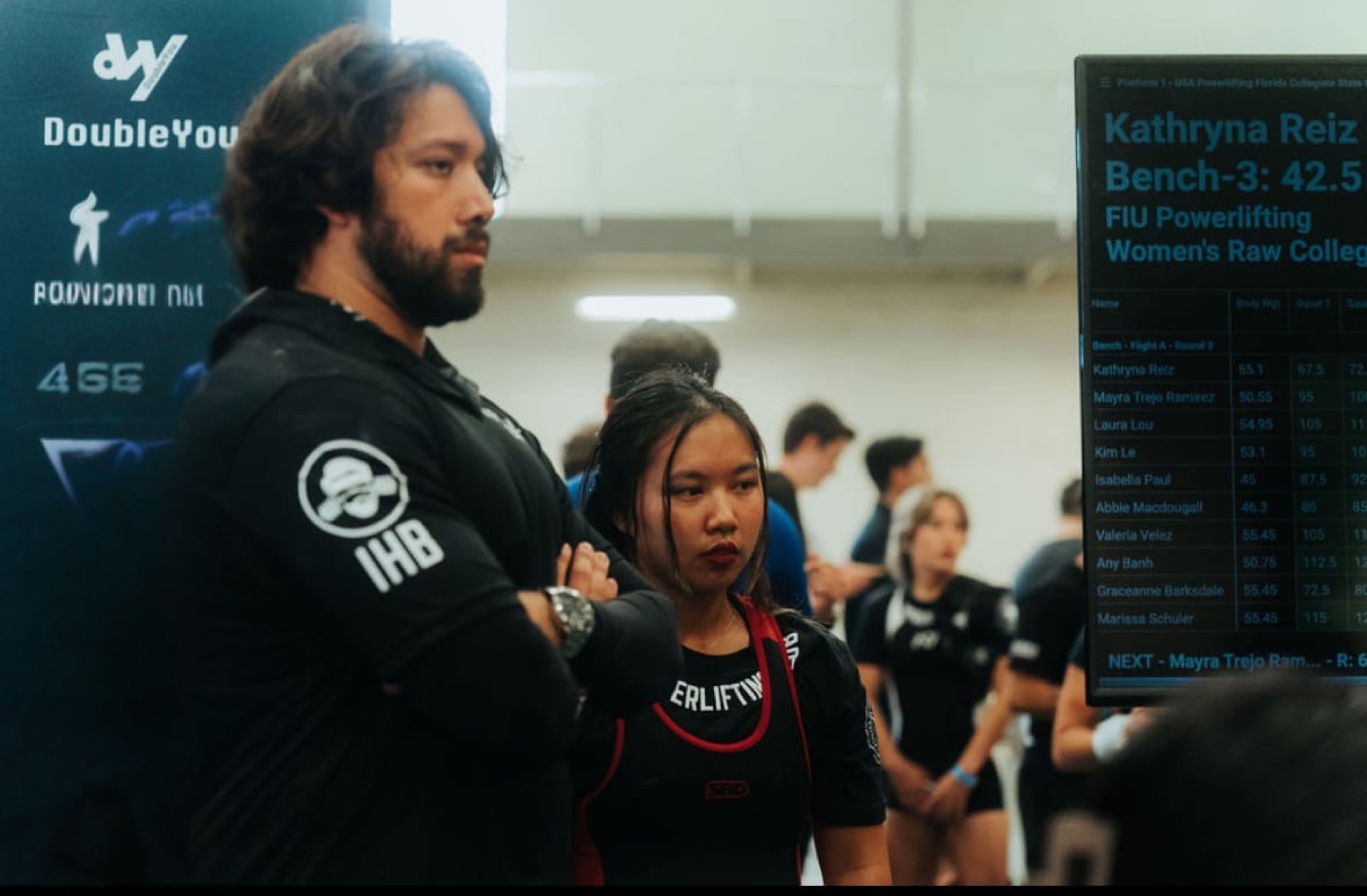
Let me tell you what no one told me before my first meet: stepping onto a competition platform changes the way you train forever. Not because the meet itself is magical, but because having a date on the calendar forces you to take your training seriously in a way that open-ended gym goals never do. You stop guessing weights, you start hitting attempts, you care about your technique under pressure. Everything sharpens.
But the first meet can also be a disaster if you walk in unprepared. Not physically — most people who have trained seriously for 12–18 months can handle the physical demands. The disasters come from not knowing the rules, botching attempt selection, not making weight, or showing up with non-approved equipment that gets you red-lighted before you touch the bar.
This guide covers all of it. I’ve coached and refereed dozens of lifters through their first USAPL meet. I know exactly where people go wrong — and I’m going to make sure you don’t make those same mistakes.
What Is USAPL and Why Does the Federation Choice Matter?
USA Powerlifting (USAPL) is the national governing body for powerlifting in the United States and is affiliated with the International Powerlifting Federation (IPF). That affiliation matters. If you ever want to compete at the international level — Worlds, Pan-Am, Juniors — USAPL is your pathway.
More importantly for most athletes: USAPL is a drug-tested federation. All sanctioned meets operate under WADA-compliant anti-doping protocols. This is not about moralizing — it’s about competitive integrity. When you hit a total at a USAPL meet, it means something on a level playing field.
Alternative federations — USPA, IPL, RPS — are legitimate competitive environments but operate under different testing protocols. If your goal is IPF-affiliated competition or you simply want to compete clean, USAPL is the right choice.
As Miami’s only Platinum USAPL affiliate, In-Handsome Barbell follows all USAPL standards. The equipment we train on, the commands we drill in practice, and the technique standards we apply are calibrated to competition from day one.
USAPL Weight Classes
USAPL uses the IPF weight classes. Knowing your class is one of the first decisions in meet prep.
Men’s Weight Classes
- 59 kg (130 lbs)
- 66 kg (145.5 lbs)
- 74 kg (163 lbs)
- 83 kg (183 lbs)
- 93 kg (205 lbs)
- 105 kg (231.5 lbs)
- 120 kg (264.5 lbs)
- 120+ kg (Super Heavyweight)
Women’s Weight Classes
- 47 kg (103.5 lbs)
- 52 kg (114.5 lbs)
- 57 kg (125.5 lbs)
- 63 kg (138.5 lbs)
- 69 kg (152 lbs)
- 76 kg (167.5 lbs)
- 84 kg (185 lbs)
- 84+ kg (Super Heavyweight)
For your first meet, the rule is simple: compete at your natural, walking-around weight class. Aggressive water cuts are for experienced competitors who know exactly how their bodies respond. Showing up depleted for your first competition is a recipe for bombed attempts and a miserable experience. Pick the class you can make without cutting more than 2–3 kg of water, at most.
USAPL Equipment Rules: What Passes and What Gets You Red-Lighted
Equipment compliance is non-negotiable. The equipment check happens before every session. Arriving with unapproved gear means you either don’t lift or you scramble to borrow something — neither is acceptable on meet day.
Singlet
Must be a USAPL/IPF-approved singlet (check the current IPF approved equipment list at ipf.com). It must cover the hips and the top of the knee. Underwear — briefs or compression shorts — may be worn underneath, but leg length cannot extend past the singlet hem. Squat briefs underneath are not allowed in raw lifting.
Belt
Power belts up to 13 cm wide, maximum 13 mm thick. Lever and single-prong belts are both legal. The belt goes on the outside of the singlet.
Knee Sleeves
Maximum 30 cm in length when measured flat. Approved brands include SBD, Rehband, and A7 — verify the specific model is on the IPF approved list. Knee wraps are only legal in the Wraps division. If you’re competing Raw, you cannot use wraps.
Wrist Wraps
Maximum 1 meter in length when unrolled. Approved for all raw competitors.
Shoes
Must have a solid, non-compressible sole. Olympic lifting shoes, powerlifting-specific shoes, deadlift slippers, and flat-soled shoes are all acceptable. Heel elevation cannot exceed 5 cm. Running shoes with soft foam midsoles will not pass.
Shirt
A t-shirt or compression shirt can be worn under the singlet for squat and bench. The shirt must not extend past the elbow during the bench press.
Socks
Required for the deadlift — they must cover the shins to protect the skin and the bar from blood contact. Knee-high deadlift socks are common and legal.
What Gets You Flagged
- Tacky or adhesive substances on hands, legs, or clothing
- Sleeves or wraps that exceed allowed dimensions
- Multiply or single-ply supportive gear in a Raw division
- Rings and jewelry (tape them or remove them)
- Singlets not on the IPF approved list
The safest approach: buy equipment from the IPF approved list and verify before meet day. When in doubt, email the meet director.
The Peaking Process: The Final 8 Weeks Before Your Meet
Peaking is the structured reduction of training volume with maintained or elevated intensity as you approach competition. The goal is to arrive on meet day fully recovered, neurally primed, and confident in your openers. Here’s how I structure the final eight weeks:
Weeks 8–6: Accumulation Wraps Up
Still moderate-to-high volume work. You’re finishing your last major training block. Competition lifts run in the 85–92% range. Accessories remain in place. You should feel like you’re building.
Weeks 5–4: Intensification
Volume begins dropping. Intensity creeps up toward 93–97%. Accessories are cut significantly. You’re exposing your nervous system to heavy weight without accumulating excess fatigue. This is when openers get finalized based on actual training performance — not optimism.
Weeks 3–2: Mock Meet and Deload Onset
Week 3 often includes a mock meet or heavy singles at opener weight — full commands, full equipment, competition conditions. This is your dress rehearsal. Week 2, volume drops substantially. Your body is shedding accumulated fatigue. Everything should feel a little lighter and faster.
Meet Week: Taper
Lift two to three times. Keep intensities in the 60–70% range, very low volume. Eat well, prioritize carbohydrates, sleep 8+ hours per night. Your goal this week is not to get stronger — you already are as strong as your training made you. Your one job is to show up fresh.
Weight Management: Responsible Cutting Strategies
Within 2 kg of Your Weight Class
A 24-hour water manipulation is manageable. Reduce sodium and carbohydrate intake the day before, limit fluids the night before, use a sauna briefly if needed. After weigh-in, eat and rehydrate aggressively — prioritize fast-absorbing carbohydrates and electrolytes.
3–5 kg Over
This requires planning. A moderate dietary cut over 4–6 weeks — a slight caloric deficit without compromising training performance — combined with a modest water cut is sustainable. Cutting too fast tanks your training. Start the dietary adjustment early so you’re not doing it during peak weeks.
More Than 5 kg Over
Either move up a weight class or give yourself more time. A 5+ kg cut as a first-time competitor is inadvisable. Your focus should be on executing the lifts cleanly, not surviving weigh-ins.
On weigh-in formats: USAPL meets use either a 2-hour or 24-hour weigh-in depending on the event structure. Confirm which your meet uses — 24-hour gives you significantly more recovery time.
Attempt Selection: The Decision That Makes or Breaks Your Meet
Poor attempt selection ruins more meets than poor training does. I’ve watched athletes bomb out — miss all three attempts on a single lift — because they opened too heavy and then chased weights their body wasn’t ready for that day.
The Opener Rule
Your opening attempt should be something you could hit on the worst training day of your life. Exhausted, slightly under the weather, in a stranger’s gym, with three referees watching and a full room of strangers silent around you. If you have to question whether you can make that weight, it is too heavy.
For most first-time competitors: open at 85–90% of your best current training single — not your all-time gym PR, but your consistent best from this specific prep cycle.
Practical examples:
- Best competition-depth squat in training: 150 kg → Open at 127.5–135 kg
- Best paused bench: 100 kg → Open at 85–90 kg
- Best deadlift: 200 kg → Open at 170–182.5 kg
Second and Third Attempts
After a clean opener, you have data. Second attempts are typically a 5–8% jump from the opener. Third attempts depend on how the second felt and what you’re chasing.
A general framework: your third attempt is either a realistic PR or a strong number you’ve hit in training at least once. It is not a hail mary. Going 8/9 at a conservative, well-executed meet beats going 6/9 chasing weights you weren’t ready for. Your total matters — your ego doesn’t.
Meet Day Timeline: What to Expect Hour by Hour
The Night Before
Pack your bag. Set two alarms. Eat a normal, carbohydrate-dense dinner. Do not experiment with food the night before a meet.
Weigh-Ins
Arrive early. Step on the scale in minimal clothing. Once you make weight, start eating and drinking immediately. Prioritize fast-absorbing carbohydrates and electrolytes.
Warm-Up Room
You’ll share a warm-up area with lifters from all flights. Pay close attention to the flight board and speaker announcements. Time your warm-ups so your last heavy warm-up happens when your opening attempt is two to three lifters away on the platform. Start with the bar, build up in jumps, keep your last warm-up below your opener. Do not grind anything in the warm-up room.
The Commands — Drill These in Training
| Lift | Commands |
|---|---|
| Squat | “Squat” (begin descent) → lift → “Rack” (after standing) |
| Bench Press | “Start” (unrack) → lower bar → pause → “Press” (after motionless pause) → “Rack” |
| Deadlift | Lift → “Down” (after lockout, before lowering) |
These commands get first-timers red-lighted constantly. Missing the rack command on squat, rising during the bench pause before “press,” or lowering the deadlift before the down command are automatic red lights. Practice them in every training session, not just at the meet.
Meet Day Bag Checklist
- ☑ USAPL membership card (required to compete)
- ☑ Approved singlet
- ☑ Belt
- ☑ Knee sleeves (appropriate to your division)
- ☑ Wrist wraps
- ☑ Deadlift socks (knee-high)
- ☑ Lifting shoes + walking shoes
- ☑ Chalk (usually provided — bring a block anyway)
- ☑ Competition food: rice cakes, gummy bears, banana, white bread with honey, simple sugars
- ☑ Electrolyte drinks and water
- ☑ Pre-workout or caffeine (if it’s part of your routine)
- ☑ Heating pad or resistance bands for warm-up
- ☑ Headphones
- ☑ Ammonia caps (if you use them)
- ☑ Notebook to log attempts as the meet progresses
First Meet Mindset: What Your Real Goal Is
Here’s the honest reality about your first meet: the goal is not a PR. The goal is to go 9/9 — make all nine attempts across squat, bench, and deadlift — and experience what competing actually feels like.
Nerves are real. The adrenaline will make your opener feel lighter than expected. Stick to the plan, trust your attempt selection, listen to your handler, and compete within yourself. Chase records at your second meet, once you know the environment.
Every serious powerlifter I know describes their first meet the same way: “I had no idea what I was doing, but I was hooked the second I stepped on the platform.” That’s what you’re after. Not the total.
Train for Your First Meet With a Certified USAPL Coach
If you’re serious about competing in USAPL, train in a facility built for it. In-Handsome Barbell is Miami’s only Platinum USAPL affiliate. I train competitors and referee meets — so when I say your depth was good or your bench pause was short, I know exactly what the judges are looking for, because I am one of them.
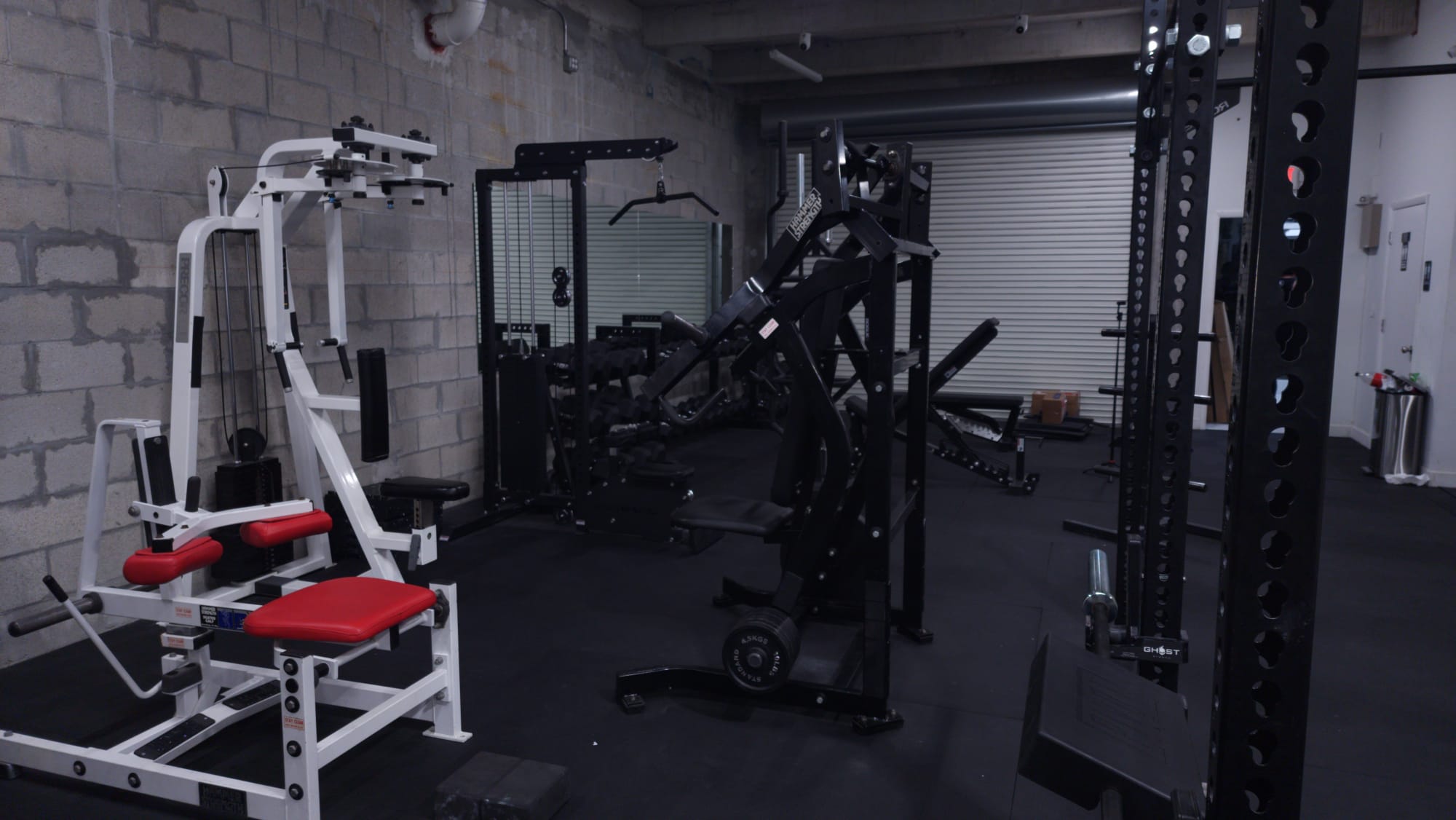
Open 24/7 with competition-spec equipment: calibrated plates, powerlifting platforms, approved bars.
Contact us to get started →
In-Handsome Barbell | 14900 SW 136th St Ste 103, Miami, FL 33186